A roof does more than keep the rain out. Underneath every tile or sheet of metal is a hidden system of airflow that quietly protects your home from heat damage, moisture, mould, and premature ageing of your roof structure. That system is roof ventilation — and if it’s not working properly, you could be paying for it in higher energy bills, a shorter roof lifespan, and even health issues caused by trapped moisture and poor air quality.
This Roof Ventilation Guide breaks down what roof ventilation actually is, why it matters so much in Sydney’s climate, and what your options are — from passive vents to a Solar Attic Ventilation System — so you can make an informed decision for your home.
What Is Roof Ventilation and Why Does It Matter?
Roof ventilation is the process of moving air in and out of your roof cavity or attic space. A Roof With Ventilation allows hot, humid air to escape while drawing in cooler, fresher air — creating a continuous cycle that keeps the space above your ceiling from turning into a stagnant, overheated pocket of trapped air.
Without adequate ventilation, several problems build up over time:
- Heat buildup: In summer, an unventilated roof cavity can reach temperatures well above the outside air, radiating heat down into living spaces and forcing your air conditioning to work overtime.
- Moisture and condensation: Everyday activities like cooking, showering, and even breathing release moisture into the air, which rises and can condense in a poorly ventilated roof space, leading to mould, mildew, and timber rot.
- Reduced roof lifespan: Trapped heat and moisture accelerate wear on roofing materials, insulation, and structural timber, meaning costly repairs or an early roof replacement.
- Higher energy bills: A hot roof cavity transfers heat into your home, driving up cooling costs during Sydney’s warmer months.
Good ventilation isn’t a luxury — it’s a fundamental part of a healthy, energy-efficient home.
Signs Your Roof Ventilation Needs Attention
It’s not always obvious that your roof is under-ventilated, but there are some telltale signs worth watching for:
- Rooms directly under the roof feel noticeably hotter than the rest of the house
- Musty odours or visible mould in the ceiling cavity or along cornices
- Peeling paint or damp patches on ceilings
- Rising energy bills without a clear explanation
- Condensation on windows or in the roof space during cooler months
- Rust or corrosion on metal fixtures within the roof cavity
If any of these sound familiar, it’s worth having your roof ventilation assessed by a professional.
Types of Roof Ventilation Systems
There’s no one-size-fits-all solution. The right setup depends on your roof design, the size of your home, and your budget. Here are the main options available to Sydney homeowners.
1. Whirlybird (Turbine) Vents
These spinning, wind-driven vents sit on the roofline and use natural wind movement to extract hot air from the cavity. They’re a cost-effective, low-maintenance option and work well in areas that get a reasonable amount of breeze.
2. Ridge and Roof Deck Ventilation
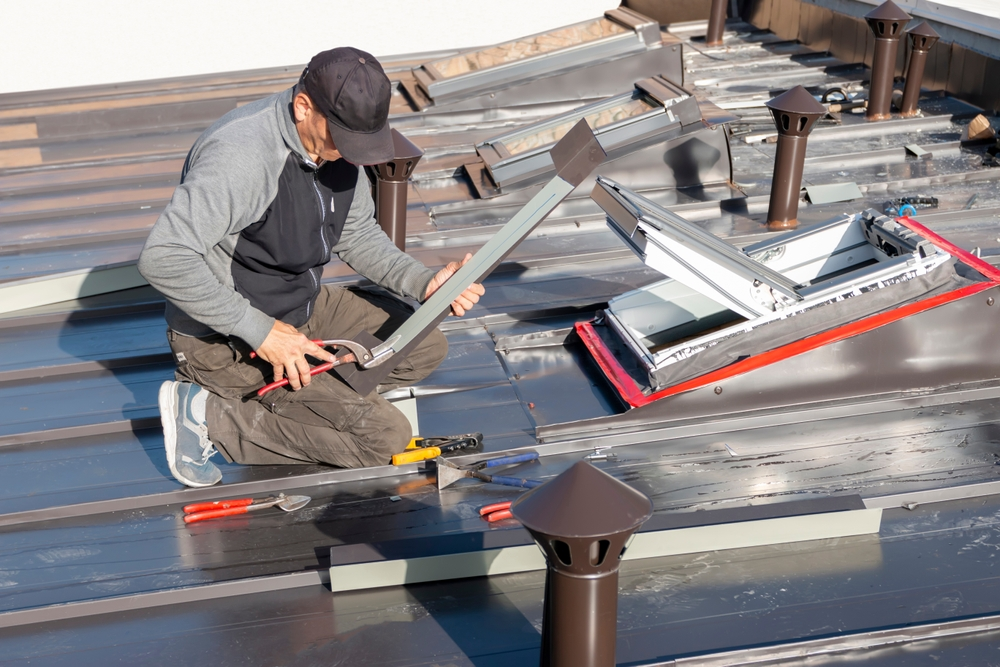
Roof Deck Ventilation works along the ridge line of the roof, allowing hot air to escape continuously along the highest point of the structure. This is often paired with soffit or eave vents at the lower edge of the roof, creating a natural convection current — cool air enters low, hot air exits high. It’s an effective, largely passive system that works well on a wide range of roof styles.
3. Solar-Powered Ventilation
A Solar Attic Ventilation System uses a solar panel to power a fan that actively extracts hot air from the roof cavity, rather than relying purely on wind or convection. This means consistent airflow even on still, hot days when passive systems underperform — which is exactly when you need ventilation the most.
Solar Roof Ventilation Sydney has become increasingly popular because it pairs well with the city’s high number of sunny days, runs on free solar energy rather than drawing from your electricity bill, and requires no wiring into your home’s power supply. It’s an efficient, low-running-cost solution for homes that need more active airflow than passive vents can provide.
4. Mechanical (Electric) Extraction Fans
For roofs where solar or wind-driven options aren’t practical, hardwired electric extraction fans can provide reliable, on-demand ventilation, though they do add to your power bill and require access to wiring.
Solar Attic Ventilation: A Closer Look
Given how often this comes up when homeowners search for a Roof Ventilation Guide Sydney wide, it’s worth spending a bit more time on solar ventilation specifically.
A Solar Attic Ventilation System typically includes:
- A roof-mounted solar panel (often integrated directly into the unit)
- A fan motor housed in a weatherproof dome or housing
- Thermostatic or humidistat controls that activate the fan when temperature or moisture thresholds are met
Benefits include:
- No electricity costs to run, since the unit is powered by its own solar panel
- Reduced roof cavity temperatures, which can ease the load on your air conditioning
- Lower risk of moisture buildup and associated mould or timber damage
- Minimal installation disruption compared to hardwired systems
- A long service life with very little ongoing maintenance
For Sydney’s climate — hot, humid summers and a good amount of year-round sun — solar ventilation is often one of the most practical upgrades a homeowner can make.
Choosing the Right Roof Ventilation for Your Home
A few factors will influence the best setup for your property:
- Roof design and pitch: Steeper roofs and larger cavities may need more than one type of vent to achieve proper airflow.
- Climate and sun exposure: Homes with significant roof sun exposure are excellent candidates for solar-powered systems.
- Existing insulation: Ventilation and insulation work together; a well-insulated roof with poor ventilation can still trap moisture.
- Budget and long-term goals: Passive systems cost less upfront, while solar systems offer stronger performance and can pay for themselves through energy savings over time.
This is why a site assessment from an experienced roofing team matters. What works for a Victorian terrace in the inner suburbs may not suit a modern double-storey home in Sydney’s outer west.
Why Proper Roof Ventilation Matters More in Sydney
Sydney’s climate — with hot, humid summers and periods of heavy rainfall — puts extra demand on a roof’s ability to manage both heat and moisture. Without a properly ventilated roof, homes across the city can experience:
- Intensified heat transfer into upper-floor rooms during summer
- Higher humidity retention in the roof cavity following rain
- Faster degradation of roofing materials exposed to UV and thermal cycling
A tailored Roof Ventilation Guide Sydney conditions demand means factoring in local weather patterns, not applying a generic national standard. This is exactly where working with a local, experienced roofing team pays off.
Get Expert Roof Ventilation Advice
Whether you’re building new, renovating, or simply noticing your home feels hotter than it should, proper roof ventilation is one of the most cost-effective upgrades you can make to protect your roof and improve comfort year-round. From ridge and Roof Deck Ventilation to a fully installed Solar Attic Ventilation System, the right setup depends on your specific roof and household needs.
The team at JC Roofings has the experience to assess your roof, recommend the right ventilation solution, and install it to a high standard — so your home stays cooler, drier, and better protected for years to come.
Ready to improve your roof’s airflow? Get in touch with JC Roofings today for a professional roof ventilation assessment tailored to your Sydney home.